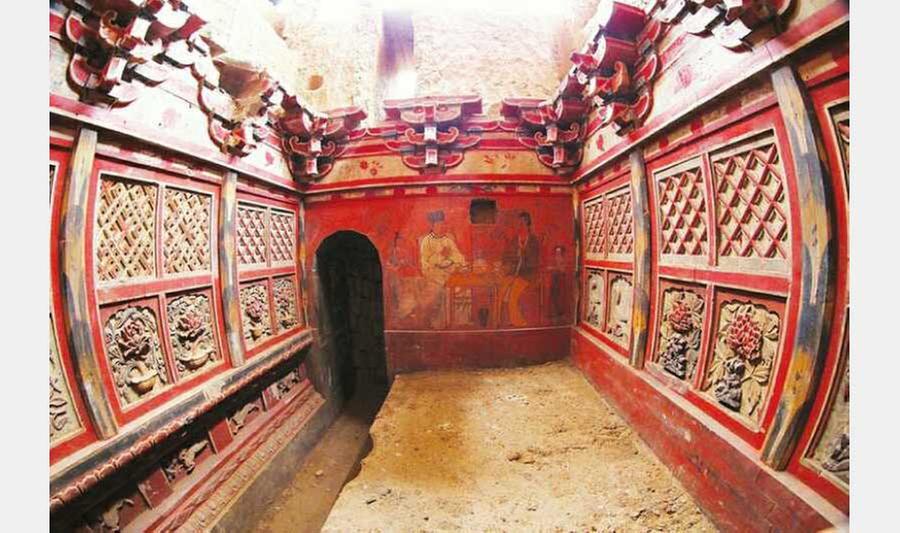
Tile carving
Introduction
Tile carving is a traditional form of decorative art that involves the intricate carving of tiles to create elaborate and detailed designs. This craft has a rich history that spans various cultures and regions, each contributing their unique styles and techniques. Tile carving serves not only as an aesthetic enhancement in architecture but also as a reflection of cultural identity and historical narrative. From ancient tombs to contemporary structures, tile carving continues to be a significant art form that embellishes both public and private spaces. The artistry involved in tile carving requires a deep understanding of materials, tools, and techniques, making it a revered skill passed down through generations. This craft has been used to embellish various architectural elements, including walls, floors, ceilings, and other structural components, serving both functional and decorative purposes.
History
The history of tile carving dates back to ancient civilizations where artisans used their skills to create intricate designs on tiles for both practical and decorative uses. One of the most notable early uses of tile carving was in ancient China, as evidenced by the discovery of a Northern Song Dynasty (960-1127) tomb in Jishan county, Yuncheng city, Shanxi province. This tomb, adorned with colored murals and detailed tile carvings, showcases the level of sophistication achieved by artisans of that era. The tiles feature carvings of animals such as horses, flying deer, and sheep, and are complemented by vivid mural art that illustrates the cultural and artistic richness of the period. This discovery highlights the importance of tile carving in preserving historical and cultural narratives, as well as its role in enhancing architectural aesthetics. Over time, tile carving evolved across different cultures, each adopting distinct styles and techniques that reflect their artistic and cultural values.
Techniques
Tools and Materials
Tile carving requires a variety of tools and materials to achieve the desired intricacy and detail. The choice of tools and materials largely depends on the type of tile being carved and the complexity of the design. Traditional tools include chisels, gouges, and mallets, which are used to carefully remove material from the tile surface to create the desired patterns and motifs. The materials often used for tile carving are clay, stone, and porcelain, with each offering different textures and durability. Clay tiles, for instance, are favored for their versatility and ease of carving, allowing artisans to achieve finer details. The preparation of the tile surface is crucial for ensuring a smooth carving process, often involving techniques such as smoothing and treating the tiles to prevent cracking or chipping during the carving.
Carving Process
The tile carving process involves several key steps, beginning with the design phase where the artisan sketches the intended pattern onto the tile surface. This is followed by the initial carving, where the artisan uses chisels and other tools to outline the design. The carving is gradually deepened, with finer details being added as the process progresses. Precision and skill are crucial at this stage to ensure that the design is executed accurately and the tiles do not become damaged. Once the carving is complete, the tiles may be painted or glazed to enhance their visual appeal and protect the carved surfaces. The process requires patience and expertise, as even a small error can compromise the quality of the final product. Tile carving is not only a technical skill but also an art form that reflects the creativity and cultural heritage of the artisan.
Styles and Designs
Tile carving encompasses a wide range of styles and designs, influenced by the cultural and historical contexts of the regions in which they are produced. In China, for example, tile carvings often feature motifs from nature, such as animals and flowers, symbolizing aspects of life and spirituality. The Northern Song Dynasty tomb discovered in Shanxi province showcases this with carvings of horses, flying deer, and sheep, as well as floral patterns. These designs reflect the connection between art and nature, a common theme in Chinese art. In contrast, tile carvings from the Islamic world are renowned for their geometric patterns and intricate arabesques, reflecting the cultural emphasis on symmetry and mathematical precision. Each region's style and design are distinctive, offering a glimpse into the values and aesthetics of the culture. The evolution of tile carving styles over time also mirrors changes in artistic trends and technological advancements, further enriching the diversity and richness of this art form.
Cultural Significance
Tile carving holds profound cultural significance, serving as a medium through which historical narratives, religious beliefs, and cultural identities are expressed and preserved. In many cultures, tile carvings have been used to adorn religious and ceremonial structures, symbolizing spiritual beliefs and practices. For example, in China, tile carvings are often seen in temples and tombs, where they serve as a testament to the craftsmanship and artistic achievements of the era. The discovery of the Northern Song Dynasty tomb in Shanxi province underscores the importance of tile carving in documenting historical and cultural heritage. These carvings not only enhance the architectural beauty of the structures but also act as cultural artifacts that offer insights into the social and cultural dynamics of the time. Tile carving continues to be a vital expression of cultural identity, bridging past and present through its timeless artistry and craftsmanship.








